Can You Move Plumbing Fixtures During a Bathroom Remodel? What Lowell Homeowners Should Know
David Murphy
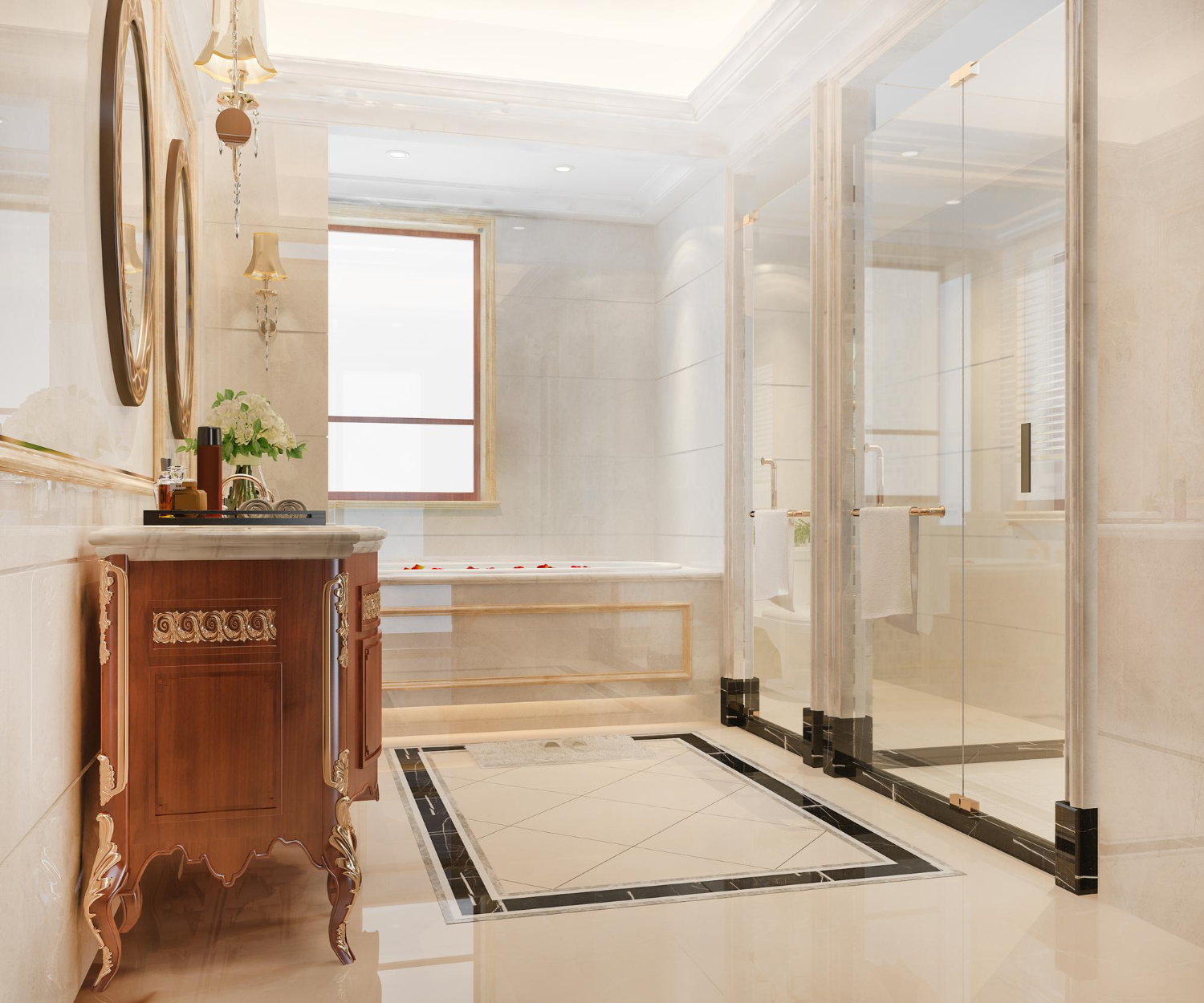
Moving a toilet, shower drain, tub, or sink is absolutely possible in many bathroom remodels—but how complex it becomes depends on your home’s structure, existing drain routing, venting, local code requirements, and the condition of older plumbing behind the walls and under the floor. In some homes, fixture relocation is straightforward. In others, especially older properties around Lowell, there are hidden challenges that need a licensed professional to assess. That’s why early input from a company like David M. Murphy Plumbing, Heating and Gas Fitting, Inc.
is key when planning your new layout.
Here’s what homeowners should understand before committing to a new bathroom floor plan—and why bringing your plumber in early helps avoid delays, surprises, and unnecessary costs.
Why Plumbing Layout Changes Matter in a Bathroom Remodel
Anytime you move plumbing fixtures, you’re affecting the fundamental systems that make your bathroom work: water supply lines, drain lines, venting, and structural support. Even shifting a toilet or shower by a few inches can require:
- Opening floors or walls
- Re-routing drain pipes to maintain proper slope
- Adjusting venting to meet Massachusetts plumbing code
- Replacing aging, corroded, or previously repaired piping
- Coordinating with carpentry, tile, and electrical work
This is why experienced bathroom remodel plumbing guidance is so important—especially if your home is older, which is common throughout Lowell and the Merrimack Valley. At Murphy Plumbing Lowell MA, we regularly work with remodelers, homeowners, and property managers to make sure the plumbing side of the project is done correctly the first time.
Moving a Toilet: What’s Involved?
The toilet is usually the most expensive fixture to relocate because it connects to the largest drain line in the bathroom. To move it safely and legally, the plumbing must maintain the proper slope and venting so the toilet flushes correctly and prevents sewer gas issues. In older Lowell homes, joist direction or past renovations can complicate this, but it’s still very doable with the right planning.
Sometimes the best option is a slight shift—other times, you have the freedom to build a completely new layout. A licensed plumber will evaluate your subfloor, joists, and existing stack location before confirming what’s possible.
Relocating a Shower Drain or Tub
Shower and tub drain lines are smaller than toilet lines, so they’re often easier to move. However, they still need proper slope and venting. In bathroom remodel plumbing projects, we frequently reroute these drains when homeowners want:
- A larger walk-in shower
- A soaking tub in a different corner of the room
- A low-profile linear drain installation
- Barrier-free or curbless shower designs
Each of these requires careful planning so everything lines up with the new tile and finished flooring heights.
What About Moving a Sink or Vanity?
Sinks are usually the simplest fixtures to relocate. Supply lines are small and flexible, and the drain doesn’t require as much floor modification. This makes vanity relocation one of the most common layout changes in a remodel. Even so, we always check the wall cavity, existing venting, and pipe condition before confirming your options.
What Homeowners Should Know Before Choosing a New Layout
Before finalizing your remodel design, it helps to understand the factors that affect what’s possible, how long it will take, and what it may cost.
1. Floor Structure and Joist Direction
In many older Merrimack Valley homes, joist direction impacts how far fixtures can move. Drains need a downward slope, and cutting through joists is not allowed—so the plumbing must be routed strategically.
2. Condition of Existing Plumbing
If we open the floor and find corroded cast iron or patched-together copper, it’s usually wise to replace it during the remodel. This avoids future problems and keeps your bathroom compliant with current plumbing standards.
3. Local Plumbing Code Requirements
Massachusetts plumbing code has clear rules for trap placement, venting distances, and pipe sizing. As a licensed plumber in Lowell MA, we make sure every layout meets current legal requirements—not just what “seems to work.”
4. Project Timeline and Contractor Coordination
Plumbing rough-in happens early in the remodel. If the plumbing scope isn’t finalized up front, the whole project can get delayed. That’s why we encourage homeowners and contractors to loop us in as soon as layout changes are being discussed.
5. Total Project Budget
Moving fixtures adds cost, but not always as much as homeowners expect. Sometimes a small adjustment is all that’s needed. Other times the plumbing requires extensive rerouting. Getting an early estimate eliminates surprises and helps your remodel stay on track.
Why Early Plumbing Input Makes Your Remodel Smoother
Whether you're working with a designer, contractor, or taking a DIY approach, bringing in a licensed local plumber early ensures everything behind the walls works with your vision. At David M. Murphy Plumbing, Heating and Gas Fitting, Inc., our team helps homeowners:
- Confirm which layout changes are feasible before demolition begins
- Understand how fixture placement affects overall project cost
- Identify hidden issues in older plumbing systems
- Coordinate with builders, tile installers, and electricians
- Avoid delays and costly rework
If you’re planning bathroom remodel plumbing in Lowell or the surrounding Merrimack Valley, our decades of experience with older homes can help you make smart, long-lasting decisions.
FAQ
Can I move a toilet anywhere in the bathroom?
You usually have some flexibility, but not unlimited freedom. The drain must maintain a specific slope and tie into the vent properly. We evaluate your joists, subfloor, and existing drain configuration to determine your options.
Is it expensive to move a shower drain?
It depends on floor structure and how far the drain needs to move. In many remodels, moving a shower drain is straightforward—especially when the floor is already opened for tile work.
Can plumbing be moved in an older home?
Absolutely. Older Lowell homes often just require more planning because materials like cast iron or galvanized steel may need updating when exposed.
How early should I involve a plumber in my remodel?
The earlier, the better. Ideally, discuss layout ideas with your plumber before demolition so you can confirm feasibility and pricing up front.
Where can I learn more about bathroom remodel plumbing?
You can explore our services here:
If you’re planning a remodel and want to talk through the plumbing scope, we’re here to help.
Our Services
About the Author
David Murphy is the founder of David M. Murphy Plumbing, Heating and Gas Fitting, Inc., a family-owned plumbing and heating company based in Lowell, Massachusetts. Since 1983, he has helped homeowners, property managers, builders, and businesses across the Merrimack Valley solve plumbing, boiler, heating, and gas fitting issues with practical guidance and dependable service. His experience with older homes, hydronic heating systems, water heaters, remodel plumbing, and commercial work helps shape content that gives readers clear answers before they request service.