Energy-Saving Tips for Lowell and Merrimack Valley Homes
David Murphy
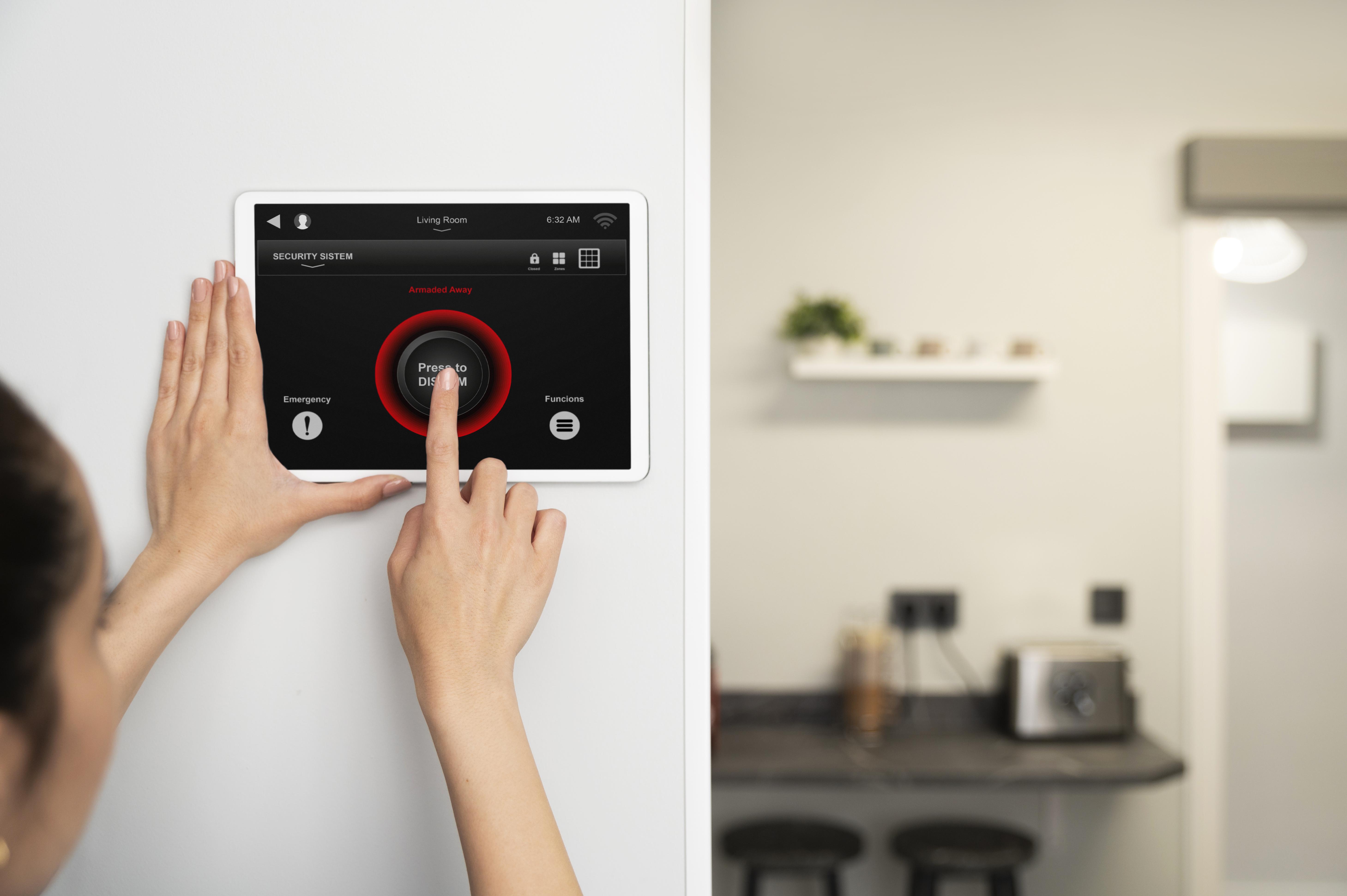
Rising utility costs have made energy efficiency a priority for many homeowners. The good news is that reducing energy waste does not always require a large renovation or a major equipment upgrade. A few practical habits, paired with reliable plumbing and heating maintenance, can help make your home more comfortable and efficient.
At David M. Murphy Plumbing, Heating and Gas Fitting, Inc., we work with homeowners throughout Lowell and the Merrimack Valley, including many who have older homes and established heating systems. Small changes to the way you manage heating, hot water, appliances, and air leaks can add up over time.
Use Your Thermostat More Efficiently
Heating and cooling generally make up a large portion of a household’s energy use. Because of that, the thermostat is one of the simplest places to begin when you want to manage utility costs. Even a modest change in your preferred temperature can reduce how hard your system needs to work to keep your home comfortable.
A programmable thermostat can make those adjustments easier to maintain. It can lower or raise the setting automatically while the household is asleep or away, rather than relying on someone to remember each change. For the most accurate performance, place the thermostat away from sunny windows, drafts, and doors that are opened frequently.
Stay on Top of HVAC Filter Changes
Your heating and cooling equipment depends on proper airflow. When a filter is filled with dust and debris, the system must work harder to move air through the home. That added strain can increase energy use and create unnecessary wear on the equipment.
Make a habit of checking the filter every month and replacing it as needed. This straightforward maintenance step helps your system run as it should, supports indoor air quality, and may help extend the life of the equipment. For homeowners with boilers, radiators, baseboard heat, or forced hot water systems, regular professional heating maintenance remains equally important.
Set Your Water Heater at a Practical Temperature
Water heating is another important part of a home’s energy use. In many homes, the water heater is set hotter than necessary for normal daily use. A setting near 120°F can provide comfortable water for showers, dishes, and laundry while requiring less energy to maintain.
If the water from your faucets feels unusually hot, the temperature setting may be higher than it needs to be. Adjusting it carefully can help lower water-heating expenses without reducing day-to-day comfort. If you need water heater help in Lowell, David M. Murphy Plumbing, Heating and Gas Fitting, Inc. can help evaluate water heater options, including replacement and tankless water heater installation.
Prevent Standby Power from Adding Up
Many household electronics use a small amount of electricity even after they appear to be turned off. Chargers, televisions, gaming systems, cable boxes, and similar devices can continue drawing power whenever they remain plugged in. This is often called standby or phantom energy use.
One device may not make a major difference on its own, but several devices running throughout a home can add up. Unplug electronics that are not in use, or connect related equipment to a power strip that can be switched off when needed. It is a simple way to reduce electricity use that serves no real purpose.
Seal Gaps That Let Heated Air Escape
Gaps around doors and windows can allow heated or cooled air to leave the home. When that happens, the heating system has to run longer to maintain the temperature you want indoors. Over time, even small air leaks can affect both comfort and utility costs.
Caulk, weatherstripping, and door sweeps are affordable options for closing many of these gaps. Added insulation around the attic, exposed pipes, and water heater may also help reduce heat loss. If you are unsure where your home is losing energy, an energy audit can help identify the areas that should receive attention.
Make the Most of Daylight and Window Coverings
Natural light can help reduce the need for artificial lighting during the day. On sunny days in cooler weather, opening curtains and blinds can also allow warmth to enter living spaces. This can lessen the need for extra heating while making rooms feel brighter.
When outdoor temperatures are warmer, the opposite approach can be useful. Closing blinds and curtains helps limit the heat coming through windows, allowing rooms to stay cooler naturally. Reducing that added heat can help your air conditioning system avoid working harder than necessary.
Consider When You Run High-Use Appliances
The timing of household tasks can influence energy expenses, particularly when your utility provider charges more during higher-demand periods. Appliances such as ovens, washers, and dryers can use a substantial amount of electricity. Their impact can be greater when many homes in the area are using power at the same time.
When possible, run these appliances earlier or later in the day instead of during typical peak-demand periods. Moving laundry or other energy-heavy chores to a different time does not require an investment, but it may help reduce overall utility costs.
Choose Efficient Replacements When Appliances Wear Out
When an older appliance reaches the end of its useful life, efficiency should be part of the replacement decision. Appliances that are more than a decade old can use considerably more electricity than newer options designed to meet improved efficiency standards.
Look for the ENERGY STAR label when comparing products such as refrigerators, washing machines, and dryers. Because these appliances are used regularly, a more efficient model can support long-term savings while still providing dependable performance. Depending on your location, utility or state programs may also offer rebates that help offset the initial cost.
Ask About Renewable Electricity Options
Some electricity providers offer renewable energy choices to their customers. Depending on what is available locally, you may be able to select electricity generated from solar, wind, or hydroelectric sources for a modest additional charge on your utility bill.
This option can support more sustainable energy use without requiring equipment to be installed at your home. If renewable electricity is important to you, contact your provider to learn which programs may be available in your area.
Small Steps Can Support Long-Term Savings
You do not need to tackle every energy-saving project at once. Start with manageable habits, such as monitoring thermostat settings, changing filters, reducing standby power, and watching your water-heater temperature. Together, those choices can help limit energy waste throughout the year.
For dependable plumbing and heating services in Lowell and the Merrimack Valley, David M. Murphy Plumbing, Heating and Gas Fitting, Inc. provides experienced support for water heaters, boilers, hydronic heating, and high-efficiency heating upgrades. Contact our family-owned team at (978) 458-0481 to discuss practical ways to improve comfort and help your home’s systems run efficiently.
Our Services
About the Author
David Murphy is the founder of David M. Murphy Plumbing, Heating and Gas Fitting, Inc., a family-owned plumbing and heating company based in Lowell, Massachusetts. Since 1983, he has helped homeowners, property managers, builders, and businesses across the Merrimack Valley solve plumbing, boiler, heating, and gas fitting issues with practical guidance and dependable service. His experience with older homes, hydronic heating systems, water heaters, remodel plumbing, and commercial work helps shape content that gives readers clear answers before they request service.